
On March 14 -15 I presented several sessions at the Utah Coalition for Educational Technology (UCET) conference held at the Utah Valley Convention Center. I also presented a similar theme at the Blended Learning Educators Conference (BLEC) at Juan Diego High School on March 9.
As I am approaching the time when I will start collecting data for my doctoral dissertation, I wanted to explain my research study and invite teachers to participate. As part of that invitation, I was asked to present a poster and was given a table in a poster session on Tuesday, March 14 and also presented my research in a U-TEDchat 15 minute presentation that afternoon. The following is the complete text for my poster as well as a downloadable version of that poster and a flyer that created for it, along with the slides I made for the U-TEDchat. The final page of the flyer, on a summary of 12 theories of creativity, will be the subject of my next post in a few days.
Now that the projects page is completed, I hope to start posting on a weekly basis and continuing to add links to new flipped software training videos. As you look over this site, I invite you to participate in this project. You can reach me at: elementsunearthed@gmail.com which is also listed at the bottom of each page of this website.
Here is the text for my poster:
Students in crisis:
We have all seen increasing problems with students who are undergoing crises, especially since the COVID-19 pandemic. To help these students overcome their problems, there is great need for reforming schools to improve student engagement, social-emotional learning, and creativity. Let’s look at each of these student crises in turn.
Engagement:
Students have become disengaged in their academic classes. This is not new, but the problem seems to be growing. Some of the reasons come from the students themselves and include:
• Increased distractions from cell phones
• Social media apps
• Online entertainment (YouTube, Tik Tok, etc.)
• Video Games
Some of the reasons come from education, including:
• Instructionism: Teachers giving lectures, reading textbooks, doing worksheets – passive activities
• A focus on efficiency and a factory model of education (one-size-fits-all practices)
• A culture of testing and centralized standards (NCLB, ESSA) and top-down curricula
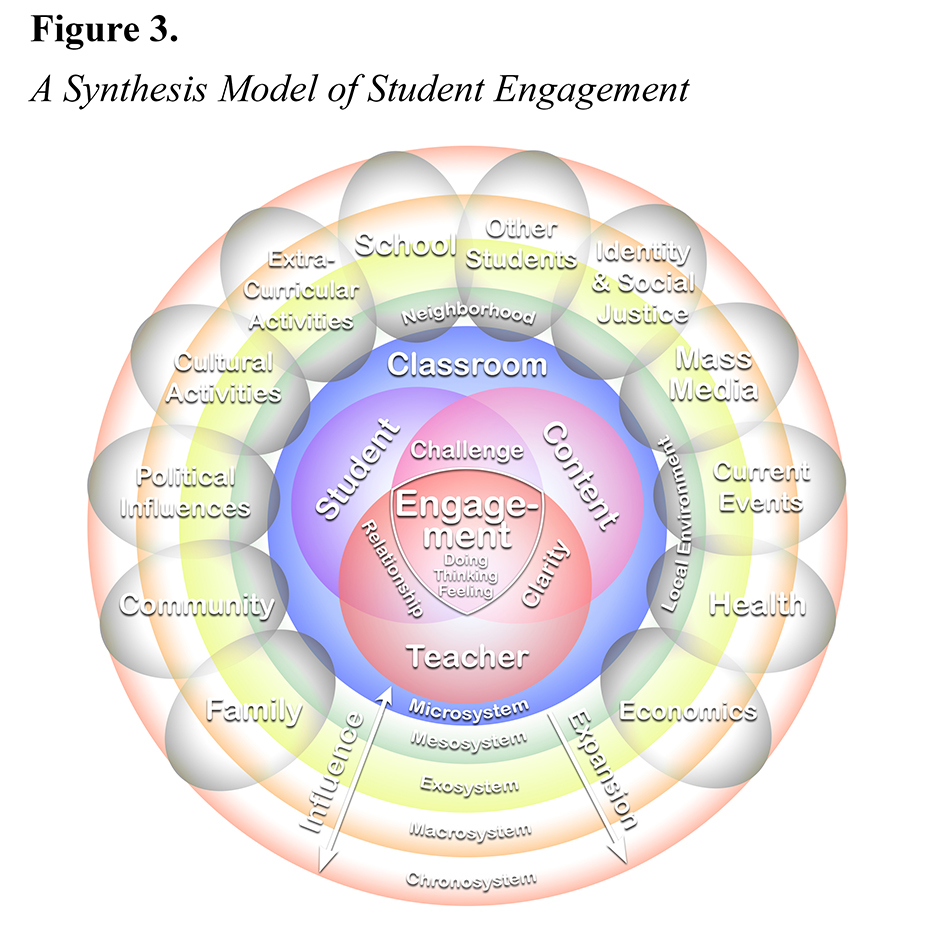
• Classroom components, including the intersection of the student with teachers and content, with a relationship of mutual respect and trust between student and teacher, content with the right level of challenge for students, and clarity of instruction between teachers and content
Some reasons for disengagement come from outside of schools, and include all of the influences and systems the impinge on the classroom, such as:
• The surrounding neighborhood, community, state, and nation (Bronfrenbrenner’s Ecological Systems Theory)
• The student’s family, friends, and other students
• After-school activities such as sports, clubs, and work
• Current events including politics, economics, and mass media
• Cultural norms and expectations, including identity within groups and ethnicities and issues of social justice and equity
• Health and emotional well-being
This poster proposes methods for enhancing student engagement in academic classes through project-based learning that provide relevant, meaningful challenges for students.
Social-Emotional Challenges:
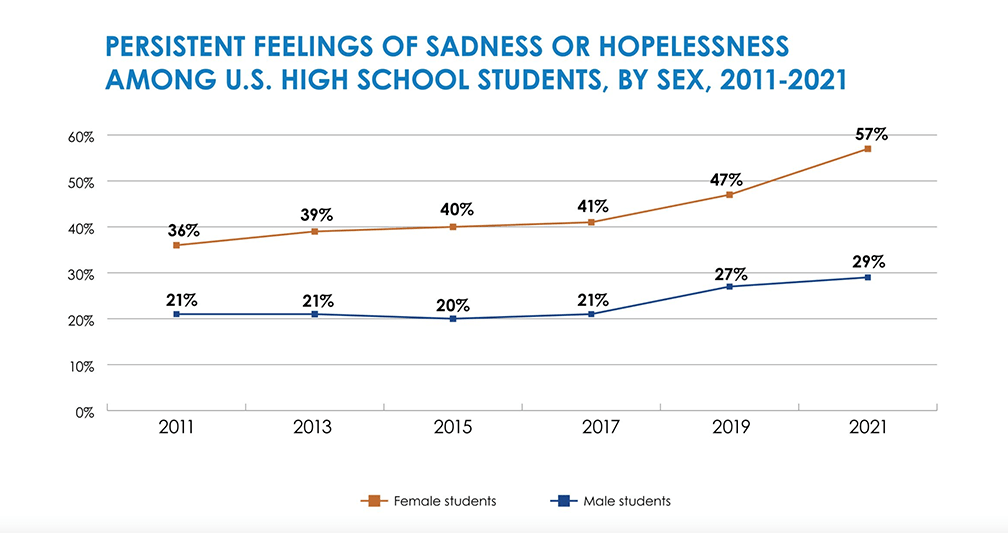
Since the advent of cell phones, students have reported dramatic increases in feelings of isolation, hopelessness, despair, and profound sadness. This trend has accelerated during the COVID pandemic. A recent CDC poll (February 2023) shows that 57% of girls report periods of sadness along with 29% of boys, and with 30% of girls having seriously considered attempting suicide and 14% of boys. Students are also reporting getting less sleep than before they started using cell phones, and although they are in frequent contact with more peers than before, they are feeling increased isolation. As the singer Jewel states:
Almost all of our kids are living public lives. They’re dealing with a lot of the psychological pressures of a very extrinsic, self-conscious way of going through the world. Are you pretty enough, do you get enough likes? These aren’t new issues entirely, but I think social media and the way we’re living our lives is causing our kids to feel more public and more exposed (2023).
An epidemic of anxiety has gripped middle and high school students. The exact causes are hard to determine. Some researchers claim that the current generation of students lack resilience or grit (Duckworth) or have fixed mindsets (Dweck) with black-and-white thinking where even a small setback will seem like a catastrophic failure and they do not show persistence in a challenging task. Others point to a “Fear of Missing Out” (FOMO) effect where being constantly in contact with peers leads adolescents to believe that they are the only ones who aren’t having fun or who aren’t popular.
Whatever the causes, the effects are real enough. All statistics point to a major crisis of students who lack feelings of self-worth, confidence, and well-being. These feelings lead students to miss school, experience more physical and emotional trauma, and do poorly in their classes. All of this points to a need for teachers to develop methods for improving students’ feelings of self-worth, to provide them with experiences that build their skills and confidence.
Student Choice:
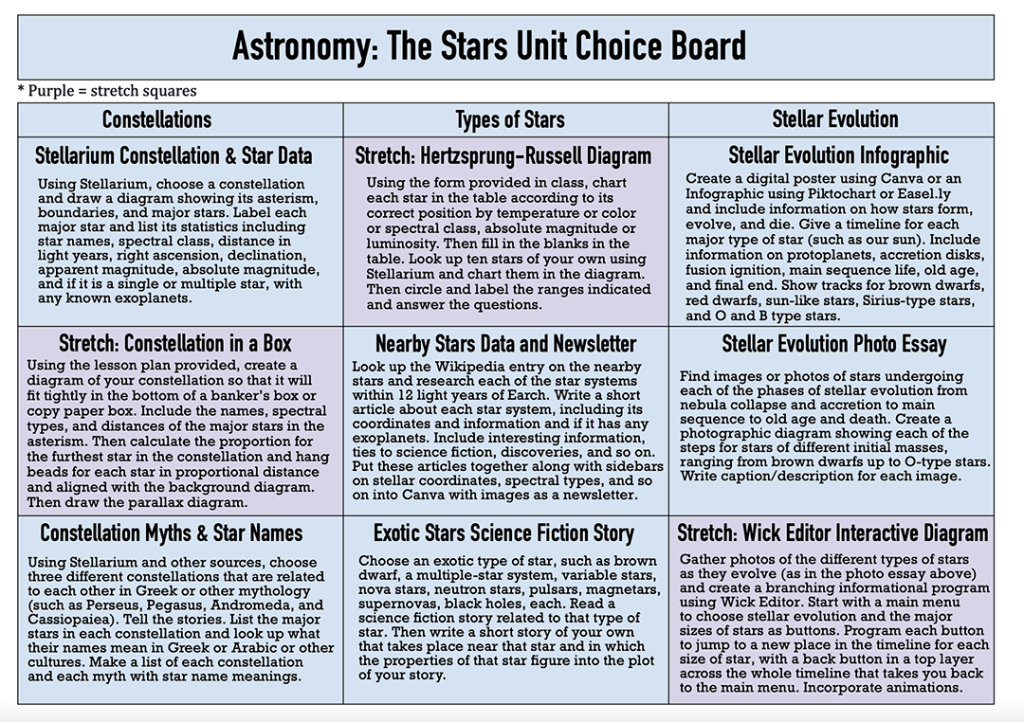
One method for promoting student confidence is to provide them with the opportunity for choice and voice in how they master academic content. Instead of having only one avenue to demonstrate their learning, such as every student completing a worksheet or watching the same video, students need to have options that allow them to access their own unique learning styles so that they can achieve success. They should use their strengths to support their learning, with teachers providing necessary scaffolding and training on how to make responsible choices including use of time and organizational skills. One method for doing this is through choice boards, where a concept or standard can be mastered through multiple means, such as creating a cartoon book, a series of illustrations, a musical theater production, a poem or song, a poster, a video or animation, or an interactive game or website. Students will be more engaged if they can pursue a project of their choice, with all options leading to acceptable content mastery. Using choice boards, teaching is differentiated while still maintaining academic rigor and state standards.
From 2018 through July 2022 I taught at a Residential Treatment Center for girls with severe emotional trauma who were unable to continue in their regular schools. They were sent here to Utah to undergo intensive personal and family therapy while also attempting to attend school. Many of them felt incapable of learning or success, and if they encountered any failures would instantly give up because they felt profoundly hopeless. Others showed symptoms of Obsessive Compulsive Disorder, where they had become such perfectionists in their school work that they had to completely rewrite their homework if the made one small mistake, or would ask for extra credit even when they had 105% in a class. Schoolwork was the one area of their lives where they felt any sense of control. It was while teaching there that I developed the program described in this poster. I implemented student choice, with peer critique and revision so that students always had an avenue for eventual success.
Lack of Teaching for Creativity:
In all fields of human endeavor, creativity and innovation are essential for new ideas, products, processes, and works of art to be developed. Without creativity and innovation, our society stagnates and does not progress economically; we fall behind other nations. Fostering creativity must therefore be an important priority for education, yet we do a very poor job of teaching it.
George Land started tracking students in 1968 from kindergarten through adult life. He found that 95% of kindergarten students show high levels of creativity and divergent thinking. This percentage steadily declines into adulthood, with only 20% of high school graduates showing high levels of creativity or even considering themselves to be creative. As stated by Sir Ken Robinson (2011), schools are killing creativity; students are literally being educated out of it.
There are many reasons for this, including the one-size-fits-all assembly line mentality of schools mentioned above, the focus on efficiency instead of effectiveness, and the tendency of teachers to discourage the divergent students. With all of our required testing, students become used to thinking that questions have only one right answer. They learn to game the system and memorize those answers so that they can do well on a multiple-choice test, but do not really understand the deeper meanings or relationships behind the facts they are temporarily memorizing and regurgitating. This is all made worse by overcrowded classrooms where teachers must spend most of their energy on classroom management instead of developing creative lesson plans; they become burnt out and either stop caring or they leave the teaching profession entirely.
In addition to being essential for societal progress, creativity is also a necessary component of personal well-being and social-emotional health. Creative persons are resilient and able to handle setbacks because they understand the importance of trying out new ideas and taking risks, which will not always turn out. If our current generation cannot take risks, then they will not become entrepreneurs, scientists, or engineers where not every idea works out perfectly. It is the central thesis of this research project that teaching for creativity and innovation can go a long way toward relieving the crises of student disengagement and social-emotional trauma and anxiety.
As a STEM teacher, I have used project-based learning with students to excellent results. By teaching students how to incorporate authentic data analysis and digital media production into the creation of final products, then presenting those products to real audiences, they have shown remarkable engagement, deep content mastery, high levels of creativity, and have enhanced their feelings of self-worth and confidence.
Research Question:
My dissertation research will address the following multi-part question:
To what extent can STEM teachers implement choice boards for using browser-based media design software to:
A – promote differentiation through Universal Design for Learning (UDL)?
B – establish the components of “Gold Standard” Project-Based Learning (PjBL)?
C – enhance student creativity and Social and Emotional Learning (SEL)?
Student creativity is the primary focus of this research and how it can be enhanced through allowing students choice in the topics they research, the software they use, and the types of media projects they create. It is designed to put the A into STEAM education and to make STEM fields engaging, innovative, and emotionally fulfilling.

Universal Design for Learning (UDL):
First developed by CAST (the Center for Applied Special Technology) in 1984 to promote full inclusion of students with disabilities in creative activities in classrooms. Since then, the definition has expanded to establish equity and access for all students, including those from underrepresented and marginalized populations. If refers to designing curricula and lesson plans to meet the needs of every student by recognizing their unique abilities and challenges and providing supports and scaffolding to allow all students to thrive.
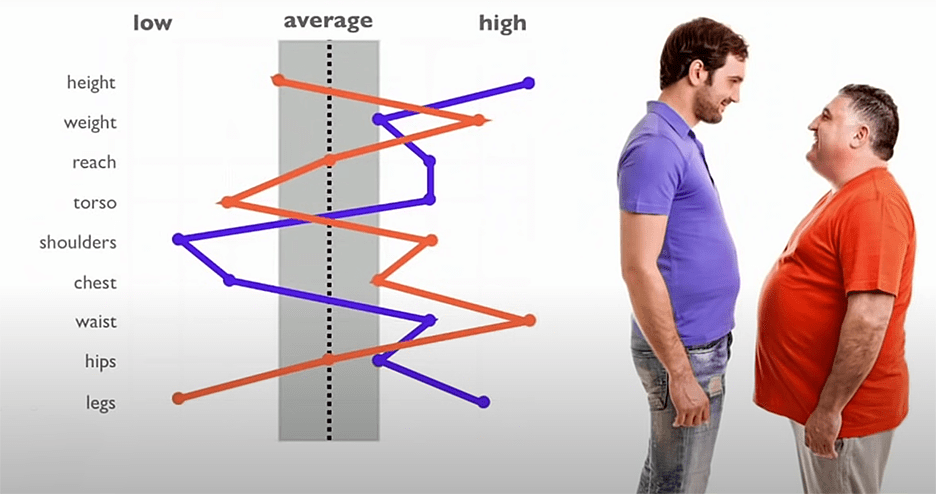
Instead of treating students as statistics in a bell-shaped Gaussian curve, UDL recognizes that student abilities, including creativity and intelligence, are jaggedly distributed (Rose, 2016). In fact, there are as many types of creativity and intelligence as there are students. The myth of the average student and the drive for standardization have prevented us from truly meeting student needs. Just as the Air Force learned through hard experience to make fighter jet seats adjustable instead of designing them to fit an average pilot that didn’t exist, we should make education adjustable. Fewer students will crash and burn.
Project-based Learning (PjBL):
PBLworks (formerly the Buch Institute for Education) proposes that “gold-standard” PjBL should have seven components, including a meaningful and challenging problem or question, an opportunity for sustained inquiry, authentic research and data analysis, student voice and choice, formative assessments using critique and revision, a public product with presentation, and the chance for deep reflection.
Student projects should therefore allow for students to develop deep mastery of content, going beyond the memorization of facts to understanding the relationship of ideas, analyzing their causes and effects, synthesizing knowledge, and ultimately creating new ideas and theories. Bloom’s well-worn taxonomy implies that creativity can only come after the lower-order thinking skills are fulfilled, but this is not correct. The pyramid should be inverted with creativity as the start of the whole educational process. Perhaps this model should be scrapped entirely and replaced with a better representation of the creative process. I prefer to think of it as an apple tree that starts by planting the seed of creativity. As it is nourished and begins to grow, it sends down roots to the lower-order processes of remembering, understanding, analyzing, and synthesizing. It does so on its own as long as it is provided the supports and nourishment it needs. It will also grow upward to the fruit of innovation, which is what we truly need as a society.
Creativity and Social-Emotional Learning:
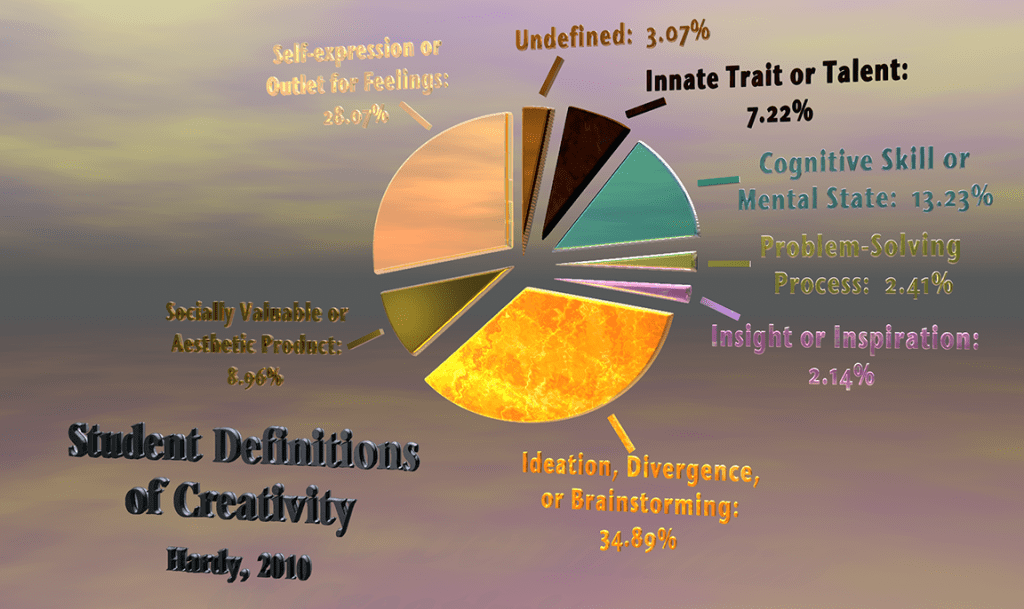
Students in Donna Hardy’s introduction to creativity course at CalState Northridge were asked to provide their personal definitions of creativity, which she posted on the class website. Over ten years a total of 548 students provided 748 definitions. The largest category corresponded to the standard definition of creativity as the generation of new and socially useful ideas (34.89%). The second largest category of responses stated that creativity was an outlet feelings, a chance to express oneself, a form of artistic expression, and a chance to have fun (28.07%). In other words, creativity is closely tied to social-emotional learning.
Browser-based Media Design Software:
For students to create their own STEM educational media as a demonstration of their learning, they must first learn to use digital media software. The most commonly used commercial software is the Adobe Creative Cloud set of applications that include Adobe Photoshop, Illustrator, InDesign, Premiere, Animate, Character Animator, and others. They cost a yearly subscription of $400, although students can get an educational discount for $200. All students in public schools in Utah are able to get their own licenses because of the support of the Utah State Legislature for the Adobe Create Utah program. However, the license is for the stripped down versions including Adobe Express, and it is only provided for students in public schools, not private schools. For other students, including those I currently teach, the cost can be quite high. In addition, to run these high-end programs requires a powerful computer with lots of internal memory (RAM). Some schools only have Chromebooks or iPads or no provided computers at all.
As a result, for complete access by all Utah students to the creative tools and computers needed to design their own STEM educational media, we must turn to other software that is free and readily accessible by all. Fortunately, new media design programs are being developed that run entirely on the Internet and are web browser based. Any computer that can access the Internet can run the software, including cell phones for some programs.
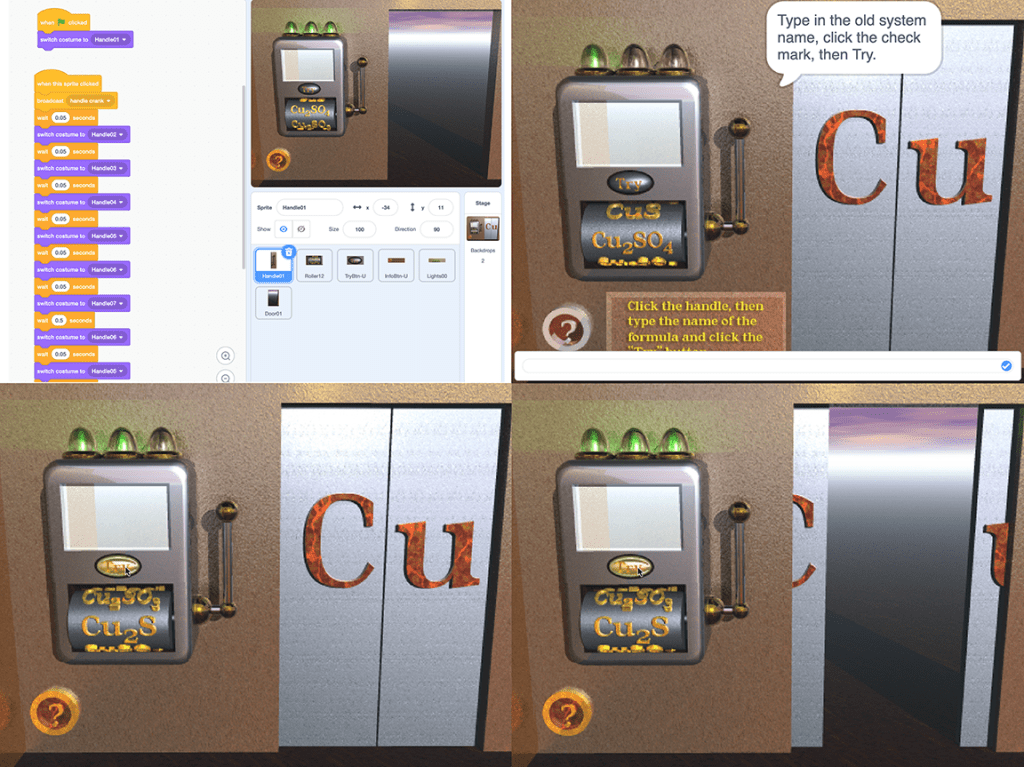
Another concern is that most STEM teachers lack the time to learn media design software themselves nor do they have time in their curriculum to teach it to their students. Such training must therefore be moved out of the classroom and placed online where it can be accessed asynchronously and freely by students without requiring teacher time to master. To this end I have been filming and editing a series of flipped training videos and uploading them to my YouTube channel at: https://www.youtube.com/@elementsunearthed . I have also built a website with links to the videos, blog posts describing my project rationale and methods, and a Projects page with a choice board listing the different types of media design software and descriptions of potential student projects with examples. The website is at: https://science-creativity.com, which is where you are at right now.
Phases of This Research:
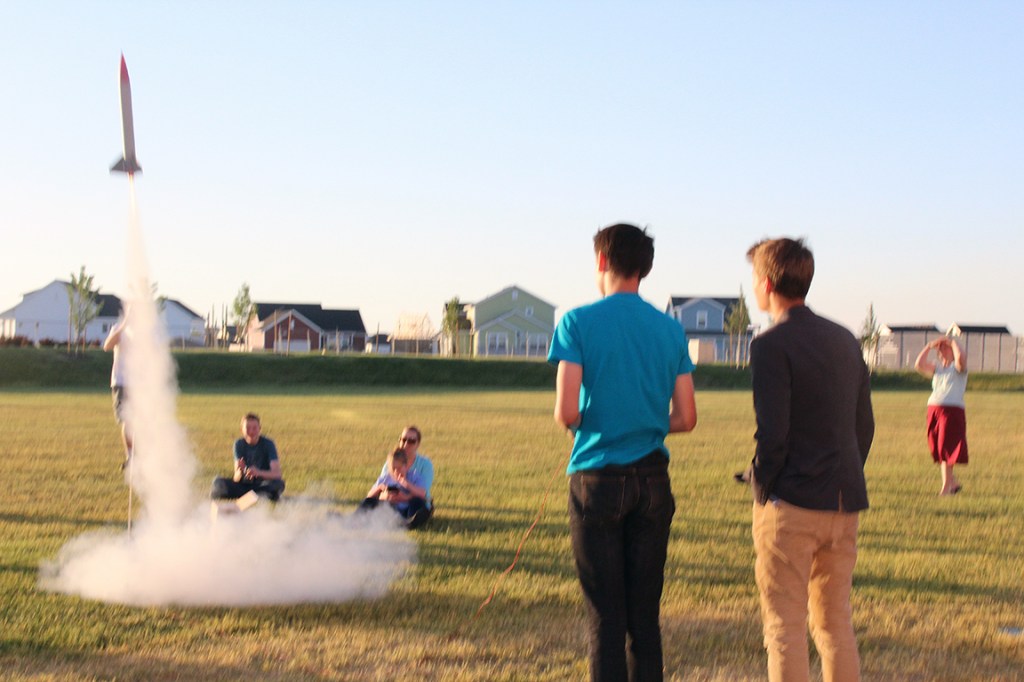
Phase 0: Student Projects Using Authentic Data and Media Design Software
While teaching at several schools, as computers and design software have improved, my students have participated in increasingly sophisticated projects that incorporated real data and media design skills. The first project occurred in 1993 when my chemistry students used Apple HyperCard and Mac Classic computers to design interactive programs about groups of organic chemicals such as alkanes, alcohols, and aldehydes. Since then, they have worked with Mars scientists to support the Mars Exploration Rover missions in 2003-2004, creating an interactive program on the history of Mars exploration that included 3D models of Mars probes and martian terrains.
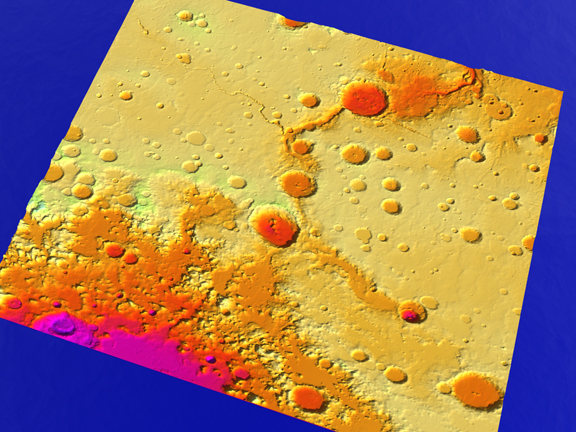
They interviewed 25 former disc jockeys and edited the footage into a 2-hour documentary video on the history of AM radio in Utah for Salt Lake City’s PBS station, KUED. They worked with the Lunar Science Institute to create 3D animations of the big impact theory of lunar formation, and designed 3D models of SOFIA, the Stratospheric Observatory for Infrared Astronomy. They used Adobe Photoshop to analyze and combine narrow-band images of Mercury from the MESSENGER space probe to determine if features were volcanic or from impacts. They created representative color images and spectral emission diagrams from infrared data to determine if orange giant stars were consuming their own planets and presented their findings at the American Astronomical Society conference in Seattle.
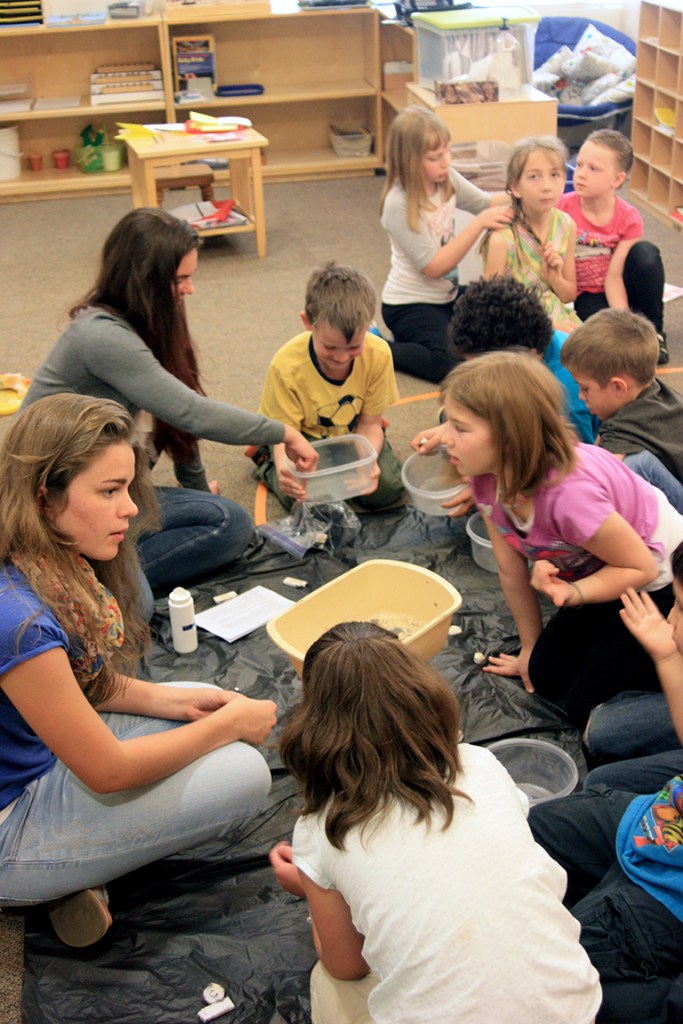
They wrote and recorded podcasts for the 365 Days of Astronomy podcast, and presented a poster of their Mars projects at the Lunar and Planetary Science Conference in Houston. They used spectroscopic data of minerals on the Moon, overlaying the data onto 3D models of lunar features to localize mineral deposits and determine if commercial mining on the Moon could be possible and presented their findings as a poster at a virtual lunar science conference. All of these projects involved using media design software and most involved authentic data analysis, showing that STEM content mastery can be enhanced through student-generated media design projects.
Phase 1: A Residential Treatment Center
The students at the residential treatment center came to us at all times of the year from all over the United States and Canada. Their state standards were all different, so I had to use the general Next Generation Science Standards and implement a project-based learning program to help accommodate all of the exceptional needs and learning levels of the students. Some came from excellent science programs, and others had not attended school for months or came to us hating science.
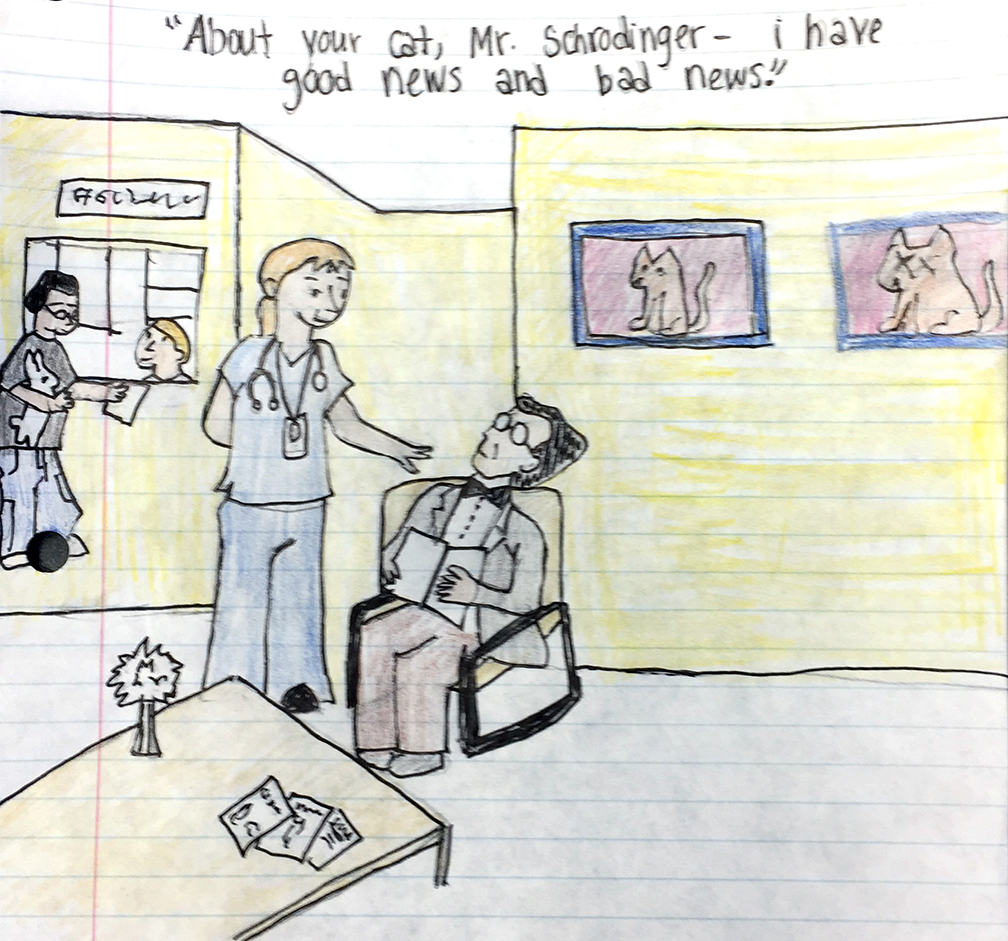
I implemented student choice as the main feature of these projects, with a number of laboratories, activities, and other high interest classroom methods. For the projects, each unit had a matrix listing concepts vertically and possible project ideas horizontally, and students were free to choose which ones to pursue, sometimes individually and sometimes in small groups. We only had access to underpowered Chromebooks and a tightly locked down Internet, with no personal email addresses which limited our ability to use software, but for those programs that did not require email verification, I was able to teach the students how to use media design software as part of their projects. In other cases they were allowed to use free hand drawing.
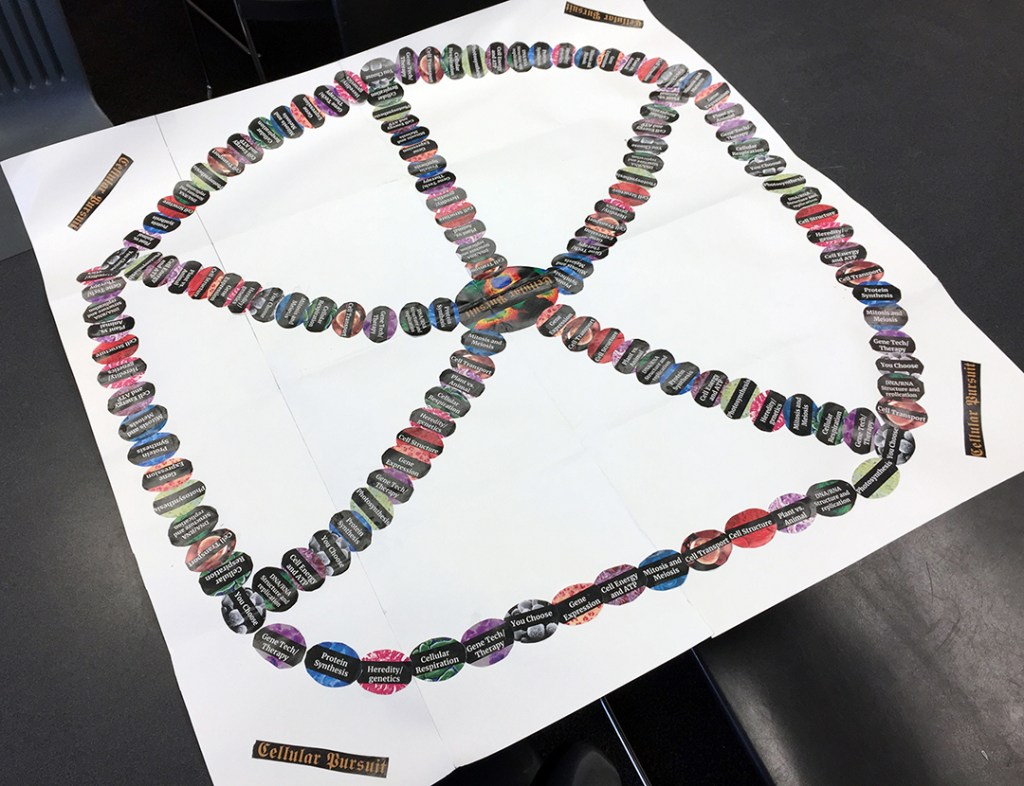
The results were amazing. Several of the students’ completed projects are shown here, including hand-drawn board games to review concepts such as a board game on chemistry careers similar to the Game of Life that required students to answer questions about different branches of chemistry to pass a college “class” in order to graduate, then decide on a job based on salary and requirements. Another student created a game similar to Trivial Pursuit but called Cellular Pursuit which had six different categories of questions on cell parts and processes, with questions and answers that were college level.
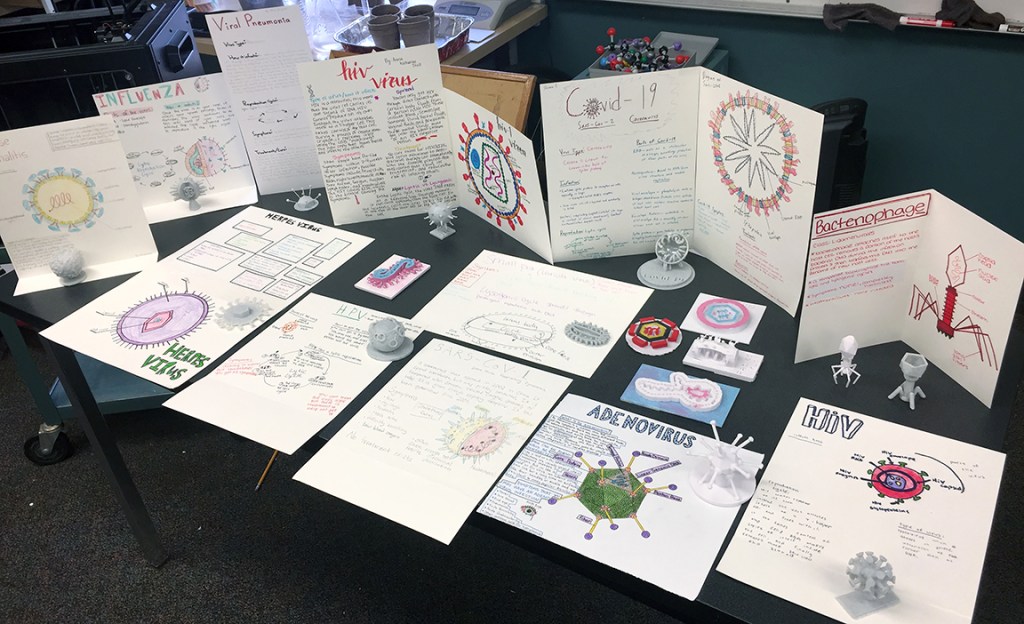
A group of students created a musical theater production for this same unit on cells called “Cell, Yeah!” and included writing lyrics for ten songs, a script, programs, and posters. Some games have been unique, including a hay bail maze, a game on infectious diseases called Rabies Run, and game on extremophiles called Acid Dash, and a working Wheel of Fortune-style game on Evolution. Students filmed a video in front of a green screen and downloaded dinosaur models, which I rigged and animated for a CGI “Lost World” video on paleontology. Students designed posters on the history of chemistry, modeled and printed 3D viruses for a viral mini-museum along with background descriptive cards, and created working models of organs such as hands, elbows, and the heart.
All of these and many more projects showed high levels of creativity and engagement. They also showed high quality by implementing peer critique and revision. As students demonstrated their projects, peers filled out evaluation forms and wrote suggestions. The ratings were compiled and averaged, and if a group did not receive the score they wanted, they could look at the suggestions, revise their project, and present it to me again for a better score. This way, a bad score would not be a failure but an opportunity to improve. Not all groups availed themselves of the opportunity, but many did and turned their good projects into excellent ones, learning the importance of persistence and quality.
Phase 2: Application of Choice Boards and Student-Created Media Projects at Another School
For my dissertation research I am now teaching at a private school and applying the same process of project-based learning through digital media creation that worked so well at the RTC. Fall semester the students in science classes implemented several practice projects to learn the process of PjBL and peer critique and revision. Instead of small pieces of paper, the critique forms were ported to Google Forms and the data was much easier to compile. Some early projects have been excellent, including a video by 8th grade biology students on Charles Darwin and the voyage of the Beagle, a game of checkers using our large tiled floor in the science lab to learn about alchemists for a unit on the history of chemistry, and a scavenger hunt on evolution using 3D printed tokens of ancient organisms.
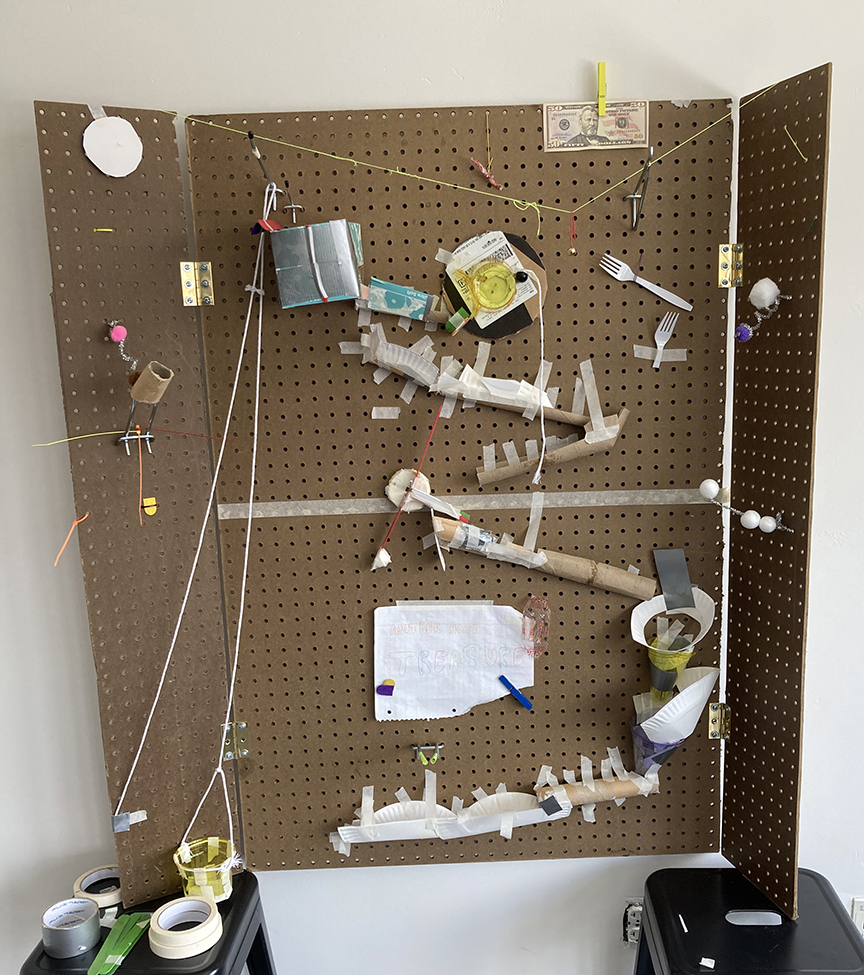
For this second semester, each class is implementing a larger scale project that has tighter rubrics and involves choice boards and digital media. The physics class has completed their project to build a Rube Goldberg device which must include six types of machines, eight total steps, and is tested for reliability and consecutive successful runs. Student teams could choose to build a Rube Goldberg device, a marble run, or a perpetual motion machine. They were required to create an initial sketch, a 3D design from three orthographic and one perspective view, and an animation showing how objects move through the machines with a descriptions of how the machines manipulate the formula for work.
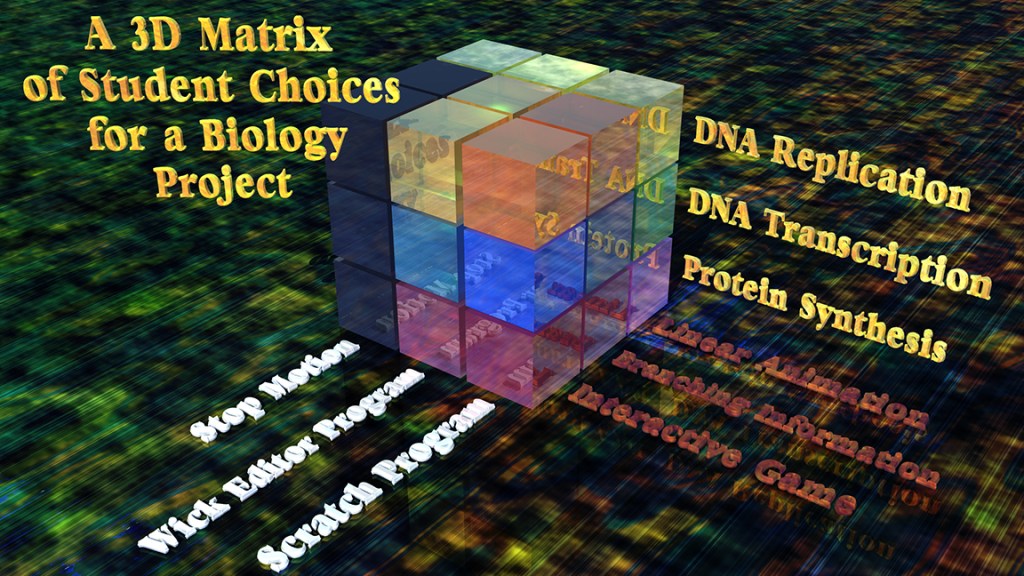
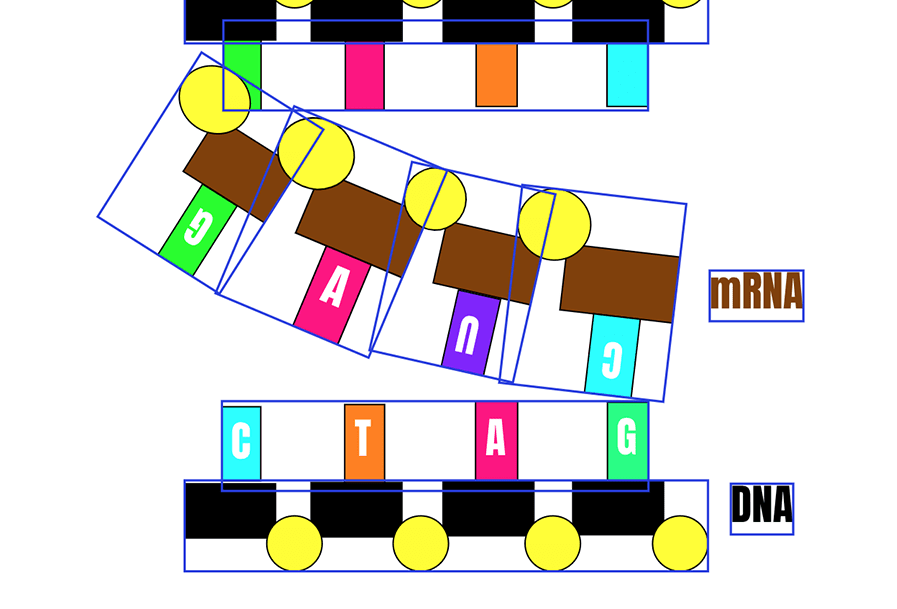
For the biology classes, students are currently working on a three by three by three matrix that allows three dimensions of choice: three topics related to DNA replication, transcription, and translation; three types of software; and three types of projects. That allows for 27 possible choices. They must create a storyboard, include labels and narration, and write daily reflection logs. Their final animations will be shown and critiqued this Friday, March 17.
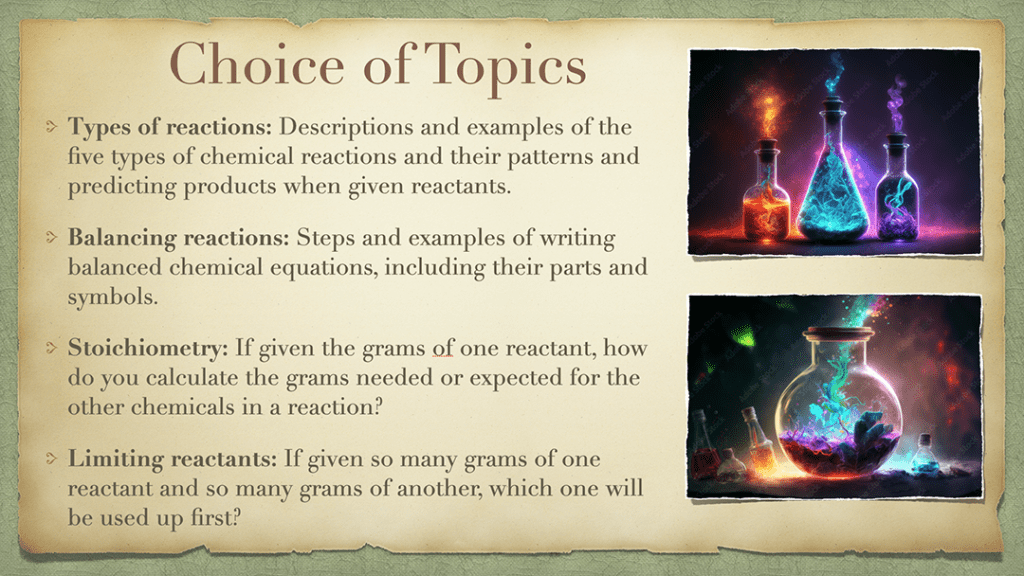
The chemistry class are starting their project this week. They can choose between four topics related to chemical reactions and have a choice of nine categories of software and about 40 types of projects, providing them with about 160 possible combinations. They have the highest degree of freedom and lowest structure, whereas the physics students had moderate structure and the biology students had high structure. Each project ends with a public peer presentation and a reflection survey.
STEAM Showcase Project:
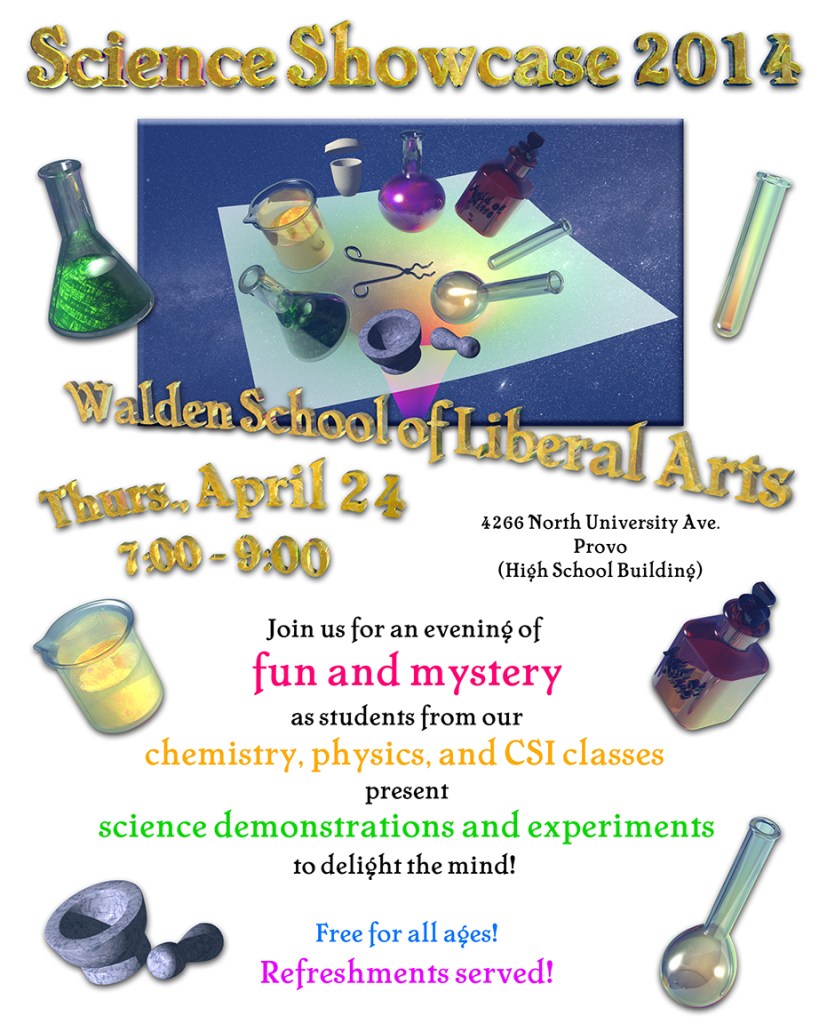
Once the class-level projects are complete, we will begin preparing for a longer-term project that will allow the students to implement what they have learned. They will form into small teams (2-3 students) and choose a topic related to their class. They will research the topic, write up a script of who is going to say and do what, then build a presentation (hopefully not using standard slide shows), practice an activity or demonstration, and create a two-page handout using Canva. Their presentations are designed to last 15 minutes. They will first practice and present them to their peers in class and receive critique feedback, then make revisions and present their projects again to our K-8 classes at the end of March and receive more feedback from the teachers. After spring break, they will revise their projects yet again and present them a final time for a STEAM Showcase night on April 27, where we will invite in their parents, siblings, and community members and divide into 4-5 rooms for about 20-25 total presentations. Following that night, we will have a longer reflection survey.
Stanford Innovation Lab:
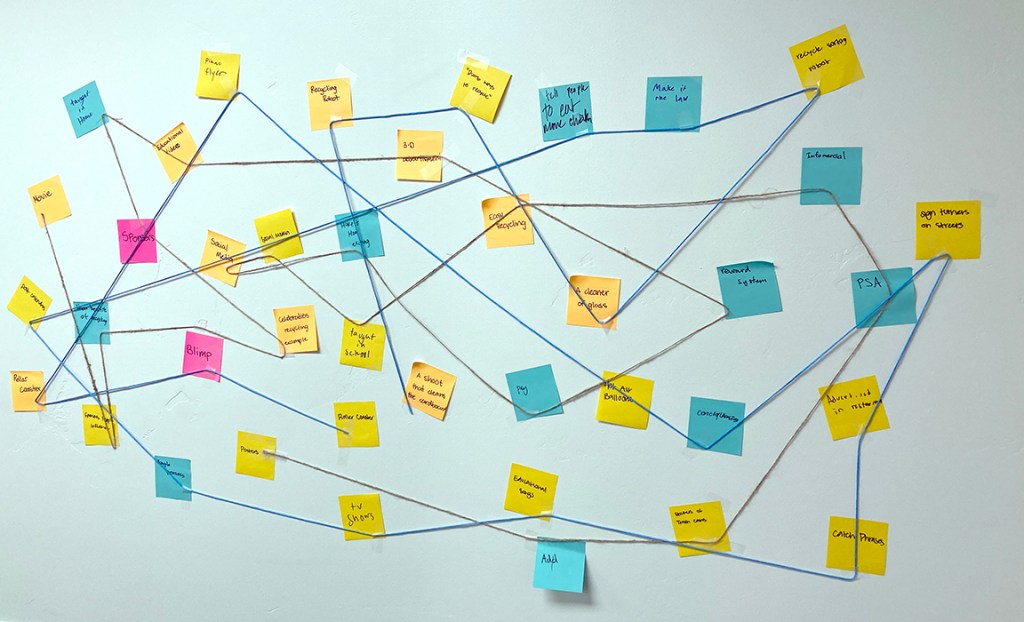
On Fridays during the two periods before lunch, students have joined into teams of 3-6 students to work with actual clients in our local community. Altogether eight teams are working with retail stores in a nearby strip mall, with Provo City on promoting recycling, and to promote our school and create a student council.
The teams are working through the steps of human-centered design to empathize with the clients’ needs, define the possible problem, ideate possible solutions, design a prototype, and test it. When the teams were first formed, they invited the clients in and interviewed them. The following week, the teams had some difficulty knowing what to do next, so I created a choice board for them. I looked up different methods used by businesses at each step of the problem-solving or innovation process, and created a color-coded choice board for each of the five steps of the process. In each case, the teams must complete a set number of possible choice, such as five out of seven or eight out of twelve. Some of the listed steps are required, others are up to the teams so that they have both structure and choice. Once this was implemented, the teams began to make much greater progress and several are actually ahead of schedule.
As they work through the process and communicate with their clients, they will develop a plan and proposal as a prototype solution. On May 12, representatives from each client will come to the school along with a board of judges and the student teams will present their recommendations and plans in a formal Shark Tank style presentation. The judges will look at each proposal and each member of the winning team will receive a $100 prize. Students will also be asked to complete a reflection survey.
Phase 3: Enlisting Other Teachers at Other Schools
Since both the RTC and the current private schools are unusual schools, in order to determine if this program can be generalized to other types of settings, I will enlist the aid of other teachers. During this conference, I will have a sign-up sheet and ask you to participate. You can help out this project by filling out the form and I will send you links to the final Google Form. I need help in evaluating the website and the flipped videos. If you have plans for your students to complete a project-based learning experience before the end of the school year, I ask you to have them try out the videos and website, choose projects, and create their own digital media content of their chosen topic. As their teacher, please use the survey form to describe some of their successful projects and how they did or did not enhance the students’ creativity, engagement, and emotional well-being. Any help that you can provide will be greatly appreciated!
Data Gathering and Analysis:
As a final step in this dissertation research, all of the student reflection surveys and critique forms and teacher feedback surveys will be analyzed statistically and encoded for the open-ended suggestions and reflections. The student products (animations, presentations, etc.) will be ethnographically analyzed as artifacts of learning and demonstrations of creativity. The presentations will be videotaped, as will the processes of creating the projects, and all of the quantitative and qualitative data will be analyzed and conclusions drawn during the summer of 2023.
I will follow accepted procedures for qualitative and quantitative analysis as outlined by Merriam, Saldaña, and others. Where possible, I will set up student focus groups to member check findings and verify the written surveys, along with video and artifact analysis.
Phase 4: The BBIG Idea
Once my dissertation is complete and successfully defended (oh joyous day!), I will celebrate for a month of so, then move into the next phase of research. Depending on my situation, I will apply for grant money to provide workshop training for interested teachers to implement using browser-based software in their STEM classes and in other subjects. I hope to develop a large enough database of information and results to publish several academic papers and eventually write a series of four books on creative classrooms. They will look at Innovative Students, Creative Classrooms, Extraordinary Education, and Global Citizens and include everything I’ve seen and learned along the way, including future visits I hope to make to exceptional schools.
Eventually I hope to expand this program and get together enough grant money to set up teams of students in participating high schools. The teams will be lead by a combination of media design or STEM teachers, and we will start with 5-10 teams and choose a project as a group. Perhaps we will start small, but the program will be called BBIG: the Black Box Innovation Group. Each team will be asked to create one component of the project based on central specifications and branding, with frequent quality checks and revisions. For example, they could each work on one part of a series of videos on the discovery and usage of the chemical elements, or create videos to promote the history and natural features of Utah’s counties, or tell the stories of the ten NASA field centers. The projects will be up to the students. At the end of the year, the final version will be shown at a student team symposium. At this symposium, new teams will receive orientation, experienced teams will pitch their ideas for the next year’s project, and everyone will attend training and team-building workshops. Each year the program will grow. As the teams progress, experienced team members (journeymen) will act as mentors for younger apprentices. Sales of the student-produced products will be used for scholarships for the top students and teams and for stipends for teachers and for buying equipment and software. I hope this program will mushroom and become self-sustaining so that these students will truly make a difference in the world through the products and educational content they will produce.
 The Creative Science Classroom
Leave a comment